
Species of Mice that Live in Southern California
- November 19, 2018
- Posted by: arksidemarketing
- Category: Rodents
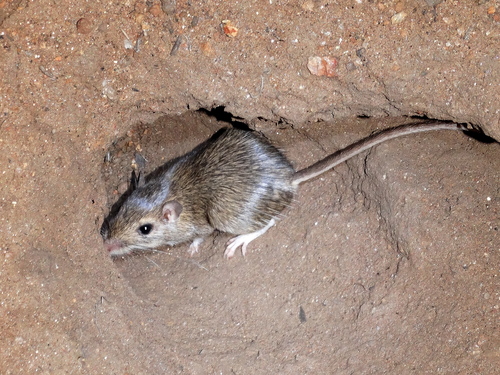
The mild weather in Southern California makes survival and reproduction easy for rodents, including mice. Humans typically worry about disease and damage to their homes and gardens when mice are present. The concerns are genuine, but not all mice are problematic. Learn what types of mice live in Southern California and what behavior to expect from these creatures.
The Pocket Mouse
The term pocket mouse describes dozens of types of mice that have external fur-lined pouches on their cheeks for carrying food. These small mice eat nuts, plants, and seeds and also carry seeds back to their burrows in their cheek pouches. Pocket mice actually help the environment because they boost the growth of native plants by burying the seeds they collect.
Animal conservationists completed a breeding program in 2016 to help increase the numbers of the Pacific pocket mouse in California. The zoology group raised and reintroduced to the wild several colonies of pocket mice once thought extinct. The hope is that the mice can help to improve plant growth that will create more natural habitat for other wildlife.
The Kangaroo Mouse
The kangaroo mouse is a bipedal rodent that grows to about three inches in length. This small mouse prefers desert ecosystems where it forages for vegetation. Kangaroo mice need very little water and will survive on insects as well as seeds and plants if needed. People often see the mice in Nevada, but they do exist throughout the Southwest in areas with sandy soil, including California.
Kangaroo mice do not typically cause problems for property owners because they tend to live in dry, arid areas of the state. Some people confuse them with their relative, the kangaroo rat. Some breeds of kangaroo rats have been a pest problem for California residents.
The House Mouse
The house mouse is a prolific breeder, an agile climber, and a disease carrier. The mice have large ears, are brown or gray, and can grow to seven inches in length from nose to tail. Houses, farmlands, and commercial buildings all fit the needs of the potentially destructive creature. If you spot this mouse, remove it as soon as possible.
House mice chew insulation, paper, and other soft materials to use for nests. The pests can spread diseases like salmonella and rat bite fever. The house mouse presents a serious infestation risk because they can breed all year when they shelter inside. Each female can produce up to 60 babies per year, and the babies become adults in less than three months.
The California Mouse
Mating with one partner for life is unusual in rodents, and that is what makes the California mouse unique. Once this rodent chooses a mate, it stays loyal throughout its life. The mouse can produce six litters each year with a maximum of three babies per litter. Females take about three months to mature, while males take slightly longer.
The California mouse prefers to live in outside shelters, usually woodrat houses alongside the woodrats. The mouse lives off a diet of seeds and vegetation and can climb trees and shrubs. This mouse is an important food source for many natural predators. California mice rarely enter human homes but can be destructive to gardens. The mice also sometimes carry the Hantavirus.
Many mice play an important role in the ecosystem, but when homeowners want destructive pests off their property, that is understandable. At Craig & Sons Termite & Pest Control, Inc. , we identify the species of pest first to ensure a fast and reliable removal process. Contact us today for an estimate or an inspection. We’re ready to help you.