
Tips to Gopher-Proof Your Garden
- March 12, 2019
- Posted by: arksidemarketing
- Category: Gophers
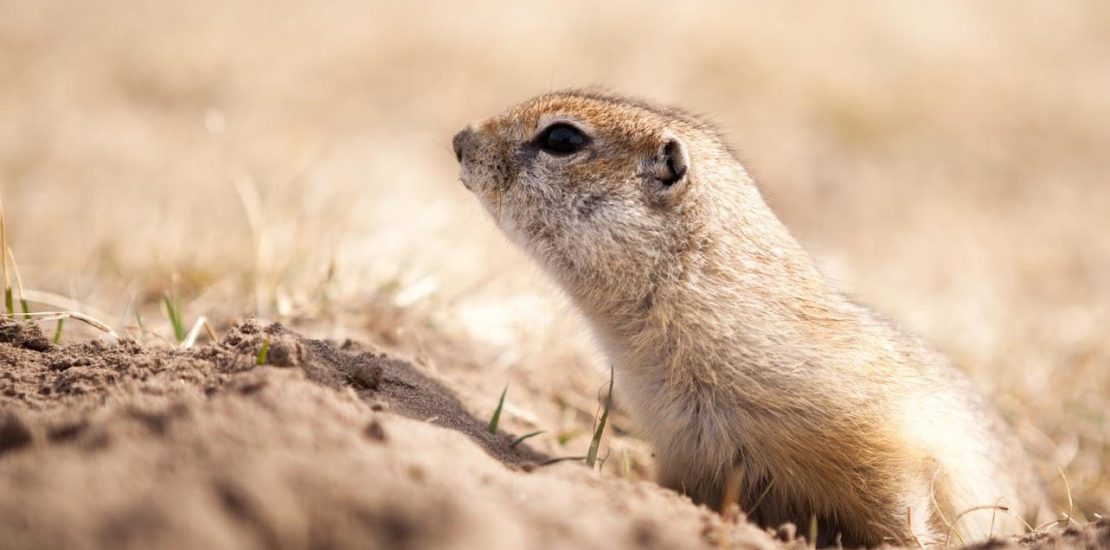
North and Central America are home to about 35 species of gophers. At some point, a healthy garden is likely to entice at least one species to your yard. No one wants to spend their spring and summer tending a garden only to lose their crop to a pest. Here are some simple ways to help prevent that unhappy outcome.
Build Mesh Enclosures
A mesh enclosure with a tight weave can prevent the pests from entering the garden. The tunneling nature of gophers means that you must dig down a couple of feet into the earth when you install the mesh. The average gopher tunnel is often 18-inches at its deepest, so it is helpful to have the mesh lower than they normally dig.
Make certain any mesh installed underground is coated for protection against moisture so it will not corrode. The fence should be about one-foot tall. Gophers do not jump very high, but they can climb, so bend the top of the fence at a 90-degree angle to prevent them from climbing over the barrier.
Use Raised Beds
A raised garden bed with an enclosed bottom protects the roots of the plants from gophers and restricts their access to the produce from underneath. A fence around the bed is still needed to keep them from climbing over the side, but the box reduces the effort you expend because a buried fence is unnecessary.
Plant Unappealing Crops
Gardeners that are not particularly fussy about what they grow, but just want some type of vegetable garden, may want to swap out their current crops. Gophers do not like garlic, peas, and beans. Peppers, squash, and tomatoes are also not the most tantalizing meal choices to gophers.
Flower gardens are usually safe from the furry thieves. Gopher repelling flower options include daffodils, marigolds, or lavender. Oleander and hydrangeas are other floral options popular with humans but less liked by gophers. Either choose to spend time gardening with flowers or surround a vegetable garden with flowers.
Euphorbia lathyrism, a plant also known as gopher spurge, releases a milky sap that is a skin irritant. The gophers dislike being near it because of the discomfort the sap causes their eyes and skin. Unfortunately, it causes the same problems for any animals (and humans) that come too close. Dogs can suffer other health problems after exposure to the toxic plant.
Try Natural Repellants
Natural repellants spread around the yard can help to deter some visitors. Pet waste may frighten off gophers that want to stay away from cats and dogs. Of course, most people would rather not be in a yard sprinkled with pet waste, so this method may only work for the perimeters of large yards that do not have neighbors directly next door.
You can use other products that are unappealing for gophers, but less offensive for people. Items with strong odors placed into the gopher tunnels can sometimes chase the animals away. Mothballs, coffee grounds, or tabasco sauce are examples.
Some of these items can also be dangerous for pets so always check the item’s toxicity to household animals before use. Mothballs, for example, can sicken cats and dogs. Only use these items in areas where your pets cannot reach and remember to remove them once the gopher threat is managed.
A gopher population may be too high for repellants to work effectively. Homeowners should avoid the use of gopher poison by themselves because the chemicals can harm innocent wildlife and sicken or kill cats and dogs. Use professional services instead. At Craig & Sons Termite & Pest Control, Inc. , we perform safe removal services. Contact us to schedule an appointment.