
What’s the Difference Between Subterranean and Drywood Termites
- August 22, 2018
- Posted by: arksidemarketing
- Category: Termites
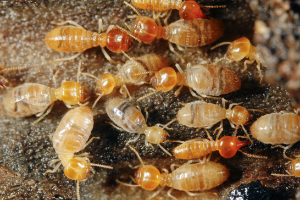
Homes in California are at risk to have damage from different types of termites. Experts divide termites into two categories: drywood and subterranean (also known as damp wood termites).
If you are a homeowner, being aware of the different types of termites and the differences between the two is helpful for protecting your home. Knowing what they look like, where they live, and what to look for to know if they are on your property can help you decide when you need help from a pest control professional.
Food and Moisture
Drywood termites require little moisture in order to survive, while subterranean termites require a lot of moisture. Both types of termites consume cellulose from wood. Both types of termites will take moisture from the wood they consume, but drywood termites consume wood that has a lower amount of moisture.
Subterranean termites prefer underground wood because it contains more moisture than above ground wood. These termites also like to stay close to the soil because of its moisture.
Habitat
Subterranean termites typically enter the home through the soil. You can find them in floorboards and walls in the basement or at ground level. Drywood termites often enter the home through infested furniture. You can often find them in the attic and the upper levels of the home.
Both live in colonies, but drywood termites have small colonies and subterranean termites have large colonies.
Evidence of Infestation
Infestation evidence varies between the two types of termites.
Subterranean Termites
Subterranean termites build covered pathways, called mud tubes, to convey moisture and nutrients from one location to another. Mud tubes give the termites a sheltered place to walk. Mud tubes are about the width of a pencil and have a low profile. You can usually find mud tubes on the exterior foundation of the home. Sometimes you can also see them on the walls inside your home.
Subterranean termites can also produce visible wood damage. In floorboards, for example, subterranean termites will eat the core wood, leaving behind a paper-thin outer surface. In some areas, the termites may break through the surface of the floorboards, producing small holes.
Drywood Termites
Drywood termites produce piles of wood-colored feces called frass. Drywood termites expel frass from wood by creating little kickout holes. Feces piles can be evidence of a current or previous drywood termite infestation. Drywood termites also produce swarms in warm and wet weather.
Prevention
Termite prevention is much the same regardless of the type of termite. Some of the most effective ways to prevent subterranean and drywood termites include:
- Store woodpiles away from the home.
- Keep the area around the home’s foundation free of mulch.
- Repair plumbing leaks as soon as they occur, and replace rotten wood.
- Remove dead tree stumps from the yard.
- Have a professional inspect your home regularly for termites and termite infestation.
Protect your home by having the professionals inspect your home for signs of termites and treat your home with chemicals designed to kill termites. Many termite chemicals are preventative and thus will protect the home for years after they are applied. This is especially important in neighborhoods where you have discovered termites, since many termites will infect more than one house at a time.
Contact Your Pest Control Experts
For more information about the differences in the two types of termites and for information about how you can protect your home from termites, contact Craig & Sons Termite & Pest Control, Inc. We’re happy to answer homeowner questions about termites and how you can prevent against them in your home. We’re also happy to inspect your home for signs of termites. Call us now.